


Hardi Põder

Monika Jakobson
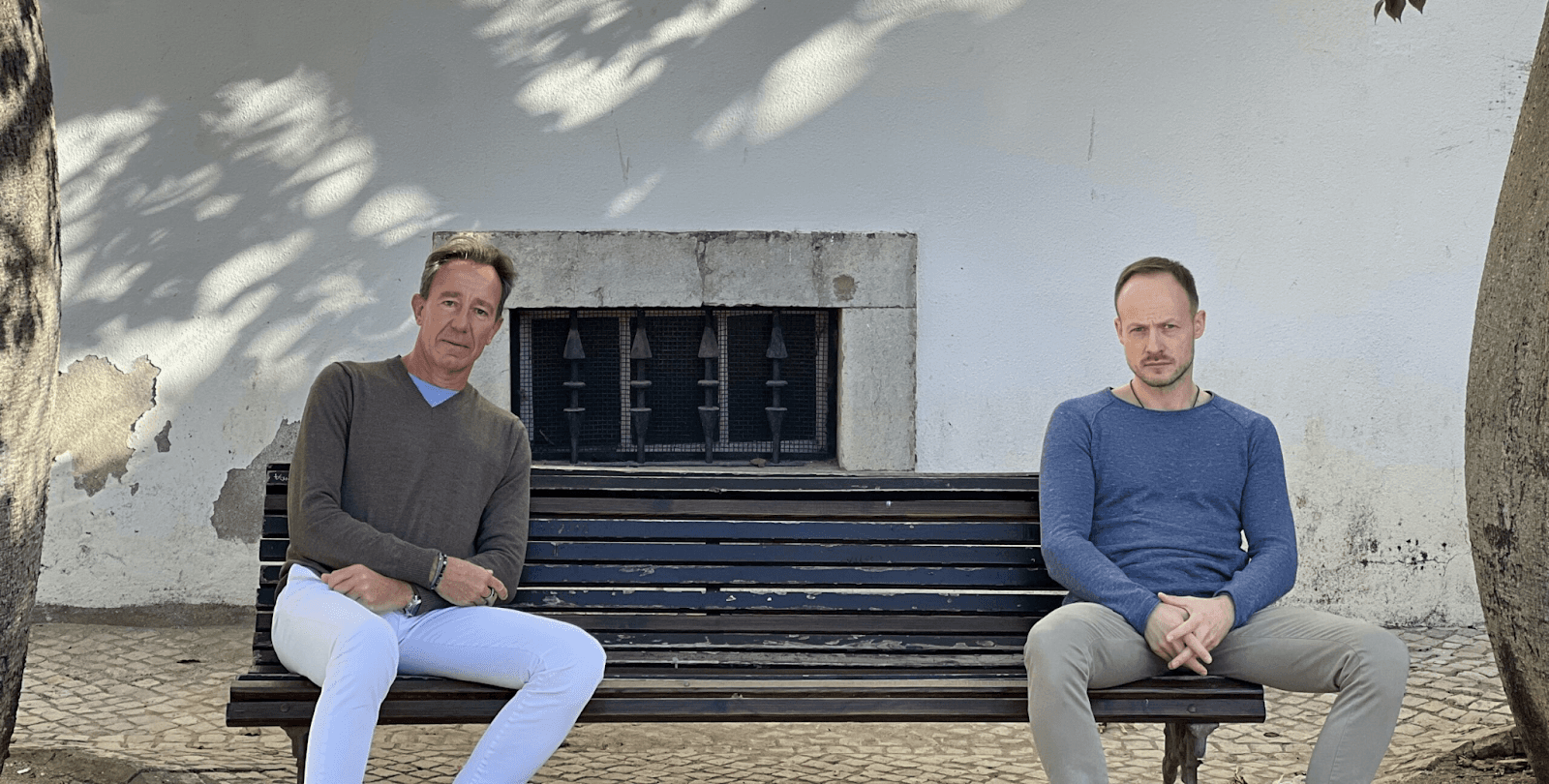
Societal pressures to suppress emotions have led to a culture that discourages men from expressing their feelings. From an early age, boys in particular, are conditioned by societal (but also parental) expectations to repress their emotions. The qualities of strength, stoicism, and emotional detachment are often favored, creating an environment that discourages genuine emotional expression. Consequently, men find themselves distanced from their own emotions as they strive to conform.
This disconnection has profound consequences, negatively impacting their personal lives, emotional well-being, physical health, and leadership skills. In exploring these effects, we shed light on the importance of addressing this phenomenon for personal growth and development in all aspects of life.
Impacts on Personal Well-being and Relationships:
The consequences of emotional disconnection can be profound, affecting men’s personal lives in several different aspects. Suppressed emotions, if left unaddressed, can magnify and manifest in unhealthy ways, leading to increased stress, anxiety, depression, unfulfilling relations, declined health, and addiction – to name a few. In concrete terms, unlived emotions if not experienced and lived at the time of their expression get stuck in the body, creating adverse effects such as energy loss, somatic disorders, and psychological distress.
Many struggle to develop or maintain meaningful relationships due to an inability to effectively communicate, empathize, or display vulnerability. Connecting and maintaining meaningful relationships with others becomes challenging and hindered. Furthermore, this disconnection impairs the ability to effectively understand and nurture one’s emotional and mental health.
Negative Impact on Leadership Skills:
Successful leadership goes beyond technical competence. Emotional intelligence is the ability to become aware of one’s own emotions, to recognize them, to let them flow through the body, and to understand the underlying meaning the emotion carries. Cutting that process or, in other words, “managing one’s emotions” through mental control is not emotional intelligence. If one is separated from his own internal drivers, one cannot empathize, connect, and understand the emotions of others. In a professional environment, the lack of emotional connectedness leads to poor leadership and struggling teams lacking a secure base e.g. genuine trust and bond, to be able to perform, both at the individual and collective levels.
Leaders who suffer from emotional disconnection may encounter difficulties in fostering collaboration, resolving conflicts and building authentic relationships within their teams. This emotional gap limits their ability to inspire, motivate, and effectively lead. Ultimately, it impedes their growth and success as leaders.
Taking Steps toward Reconnection:
Recognizing the interconnectedness of all health aspects – emotions, physical, social, intellectual and spiritual, becomes essential to address emotional disconnection.
At Inlibrium, what we have witnessed on multiple occasions that having the courage to overcome Emotional Disconnection, breaking free from the societal norm of emotional suppression, and reconnecting with emotions (even those described as negative and painful), is the required journey one must take to embrace a transformative journey in all aspects of life.
Our method for helping men reconnect with their true pure selves and navigate the emotional void they may have experienced for years? A holistic, interdisciplinary, completely tailored approach to meet the unique needs of each individual.
We understand that this process cannot be achieved overnight or through quick fixes, magic bullets, or panacea. It requires dedicated time, effort, and the guidance of a professional, interdisciplinary team.
We recognize the multidimensional nature of our beings and believe that relying solely on psychedelics is not enough to restore holistic alignment. Our physical bodies, often overlooked in the pursuit of emotional well-being, play a significant role in our overall health and performance. By addressing our physical well-being with a tailored approach based on individual needs, we can enhance our overall well-being. Unfortunately, society often praises those who neglect their biological and essential needs, such as sleep, without considering the toll it takes on our physical and mental well-being.
Embracing individuality is crucial in our journey toward well-being. There is no one-size-fits-all strategy for physical, mental, and emotional health. The emergence of an individualized, gene–based preventative approach allows us to utilize our genetic code as a user manual for personalized approaches to health and well-being. Each of us is unique, with our genetic makeup, experiences, traumas, memories, emotions, and patterns.
At Inlibrium, we firmly believe in departing from one-size-fits-all approaches and embracing the complexity of our individuality. True transformation lies in working holistically to restore balance and harmony within ourselves.
It is time we boldly challenge prevailing norms, embrace emotional authenticity, and support the emergence of a robust vulnerability, so that men can thrive emotionally, in all aspects of their lives, personally and professionally.
It takes great courage to reach within oneself and restart the process of reestablishing a connection with one’s emotions and deeper functioning mechanisms. But it’s never too late to embark on the journey of personal growth and transformation, and we are here to support you.
Are you ready to reconnect with your true authentic Self?
About the author -
Hardi Põder
For clients carrying the strain of sustained responsibility, Hardi Põder helps make INLIBRIUM a disciplined, coordinated six-month process rather than a collection of disconnected interventions. As CEO & Co-Founder, he brings an operator’s understanding of what performance can conceal and what it takes to build a structure capable of meeting a client over time.
Before founding INLIBRIUM with Monika Jakobson in 2021, Hardi spent roughly two decades building nine companies across agriculture, IT, retail, and biotech. His work included leading sales teams of more than 600 people across Scandinavia and the United States, as well as building an outdoor medicinal-mushroom plantation. That background informs a practical standard for the company: complex work should be organized clearly, individualized carefully, and carried through consistently.
Hardi’s search after burnout clarified a gap he had seen in the field. A powerful psychedelic experience can create insight, but insight alone may not alter the conditions and habits that shape daily life. He and Monika founded INLIBRIUM to build a more complete model around preparation, clinical screening, psychological care, health review, and sustained integration.
The model Hardi helped establish links three private residencies with months of planned work. Psychological, health, and leadership specialists remain connected around the same client. As CEO, he leads the company responsible for that model; clinical decisions and care rest with appropriately qualified practitioners.
He is clear about the limit of any single element. The substance may be a catalyst, but preparation, judgment, and disciplined follow-through determine whether insight can be carried into a life.
About the author -
Monika Jakobson
For an INLIBRIUM client, Monika Jakobson makes the health and science layer coherent: she turns a broad set of personal inputs into a clear, individualized frame for the team’s work. As Co-Founder & Health and Science Director, she leads the health-data architecture that connects genetics, biomarkers, health history, daily patterns, behavior, and physical experience. The aim is not to reduce a person to a report, but to give relevant information its proper place in a personalized program.
Monika’s foundation includes studies in psychology and professional higher education in health promotion and nutrition at Tallinn University, alongside advanced study in nutrition and health coaching. She has also completed training in nutrigenetics, nutrigenomics, and pharmacogenomics. Before INLIBRIUM, she worked in nutrition and health-promotion roles in preventive and functional-health clinic settings and developed an independent practice focused on DNA and functional testing. This background informs how she approaches complexity: by looking across sources rather than treating any single measurement as decisive.
Throughout the six-month program, Monika helps define which health information is relevant, organizes it in a usable form, and keeps the individualized plan responsive as new context emerges. She coordinates closely with the program team and the appropriate licensed medical and mental-health professionals, whose scopes of practice remain distinct. Her responsibility is not to diagnose or provide treatment, but to ensure that health and science work is considered, connected, and proportionate to the individual.
Monika is attentive to the distance between what can be measured and what a person experiences. Data earns its value when it improves attention and decision-making without displacing judgment, context, or the client’s own account of life.